
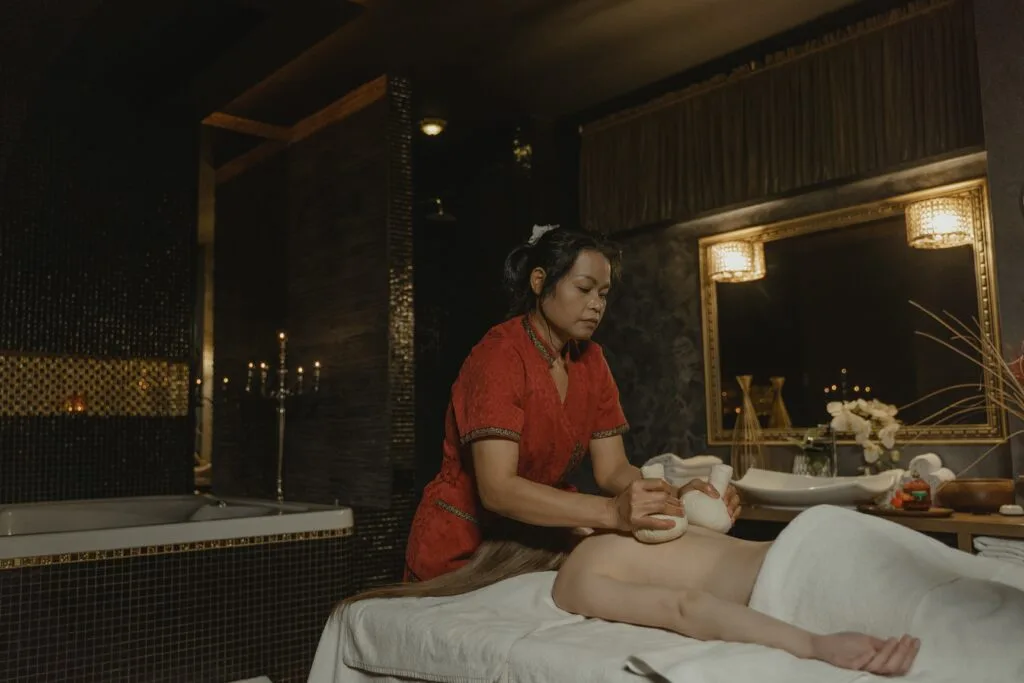
Home panchakarma is an Ayurvedic cleansing procedure that removes toxins from the body, releases emotions stored in the connective tissues, and by softening the body gives the opportunity to get rid of unwanted patterns that may have caused chronic health problems.
In order to ensure a smooth progress of the cleaning and to reduce unpleasantness during the cleaning and to avoid undesirable consequences, here are the recommendations to be followed in preparation for the cleaning, during it and after leaving the cleaning.
TIPS FOR SUCCESSFUL HOME PANCHAKARMA.
A WEEK BEFORE HOME PANCHAKARMA:
- Do the housework, make the necessary phone calls, etc., so that nothing disturbs you next week.
- If necessary, start slowly cutting out caffeine, sugar, alcohol and refined foods.
- It is not recommended for women to clean during menstruation.
- Clean the house.
- Create a place for yoga and meditation if you don’t have one.
- Write down daily routines for cleaning.
- Determine how many days your cleanse will last, a clear beginning and end.
- Buy everything you need ready.
DURING CLEANING:
- Wake up before sunrise.
- Do a warm oil self-massage (snehana) and then take a warm shower or bath (swedana). If you have the possibility of a sauna or a steam bath, you can use it for 10-15 minutes after the self-massage so that a light sweat comes out. It is important not to overdo it with the sauna.
- Schedule soft yoga practice, pranayama and meditation for a total of 30-90 minutes a day.
- It is best to do morning rituals: self-massage, warm shower and yoga before breakfast.
- On the days of the cleanse, eat kitcheri three times a day. Avoid snacks between meals. Eat slowly, consciously and in moderation. One “Anjali” (a supplicant’s portion, the amount of food that fits in the hands set into a small bowl. This measurement is individual) per meal.
- Sip hot water throughout the day, every 15 minutes or so.
- A slow easy walk is good. Any physical activity other than yoga is not recommended.
- Stay away from your phone and computer as much as possible. Don’t watch TV.
- Avoid excessive talking, move slowly, keep a journal and read yoga or spiritual literature.
- Make sure you have a bowel movement every day. If it doesn’t work, double the amount of Triphala you take and drink enough warm water to stay hydrated. Add twists and/or a light walk to your morning yoga practice. If you have, you can take Haritak or plum juice before going to bed.
- Consider eliminating or reducing vitamins, minerals, or other supplements (other than those listed here) for the duration of the program.
- Continue taking the medication.
- Go to bed early, at 10:00 p.m. (preferably even 9:30 p.m.)
AFTER CLEANING:
- Plan for 5-7 days at a more leisurely pace to slowly exit the program. This is very important!
- Gradually add stewed / boiled chemical-free whole foods to the menu. For at least three days after the cleanse, eat only vegetarian food.
- Eat seasonal food, organically grown vegetables and fruits.
- Continue with yoga, pranayama and meditation practice.
- Call or text me if you feel that your emotions are going over the edge and you need support.
LEVELS OF PANCHAKARMA.
FIRST LEVEL:
Follow the dietary recommendations and daily routine (dinacharya) below. When you do an ayurvedic cleanseindependently for the first time, then pleasechoose first or second level.
SECOND LEVEL:
Follow the nutritional recommendations below.
On the third, fourth and fifth day, take mild ghee:
- on the third day you take one tablespoon of ghee,
- on the fourth day you take two tablespoons of ghee and
- on the fifth day, three tablespoons.
Take ghee first thing in the morning on an empty stomach. If necessary, you can add a pinch of salt and pepper or lime juice to improve the taste.
Drink ginger tea in small sips throughout the day (helps prevent nausea).
Eat breakfast when you feel hungry. Allow some time for the ghee to digest and absorb into the body tissues.
Ghee is suitable for those whose cholesterol level is normal. If you have high cholesterol levels or are a principled Vegan, you can cleanse with linseed oil. Take two tablespoons of flaxseed oil before or after breakfast and lunch (a total of 4 tablespoons per day) on the third, fourth, and fifth days.
If the stomach passes 1-2 times a day, on the fifth day, double the amount of Triphala you take or take two tablespoons of castor oil mixed with ginger tea. Triphala is a milder variant. If you take castor oil, you should just in case stay home the next morning to be closer to the toilet. The goal is to induce a slightly more intense bowel cleansing. If this does not happen, you can take Triphala, Haritak or castor oil in the evening.
THIRD LEVEL:
You can do the third level if you have done panchakarma at home before and you decide on a 10-day cleanse.
The instructions are the same as for the second level. A soft and gentle enema with herbs and oil (basti) is added one to three times. It is very effective and safe and easy to do, but you need the help of an Ayurvedic practitioner. This extra step isn’t necessary for home cleaning, but it takes the cleaning process to the next level. Basti should be done on the eighth, ninth and tenth days. You can also bast once a week for four consecutive weeks after cleansing.
DINACHARYA. DAILY RITUALS or RITUALS.
- Wake up before sunrise.
- Scratch your tongue.
- Wash your face with cool water or spray your face with rose water.
- Brush your teeth.
- Drink 1-2 glasses of hot water first.
- Do a self-massage with warm oil and then take a warm shower or bath.
- Dedicate 30-90 minutes a day to gentle yoga, pranayama and meditation (in addition to massage and bath).
- Do Nasya, put oil in the nostrils. Lie on your back with an empty stomach and tilt your head back. Close your eyes and put 3-5 drops of oil in both nostrils. Rub in the oil and stay in place for 3-5 minutes.
- Prepare breakfast, porridge orkitsheri.
- Move slowly during the day, take rest and avoid excessive talking.
- Take ½ – 1 teaspoon of Triphala powder with a glass of warm water about an hour before going to bed. Do not take Triphala if you have an empty stomach.
- Drink warm herbal tea throughout the day.
- End the day with pranayama and meditation.
- Go to bed at 10:00 PM, or better yet, at 9:30 PM.
DIET RECOMMENDATIONS FOR SEVEN DAY PANCHAKARMA
The dietary recommendations given here are for a seven-day panchakarma. If you want to extend the retreat to ten days, extend the kitshari days in the middle of the program. If you need to shorten the program, follow the instructions for days 1 and 2 by one day and reduce the kitshar days by one day.
DAY 1- 2: Follow a vegan diet (no dairy, no meat, no fish and no eggs). Avoid caffeine, alcohol, sugar and processed foods. Eat only warm organic unprocessed food and nothing raw. Mildly grown cereal porridges, rice, quinoa, amaranth, barley, stewed or boiled seasonal vegetables, cooked fruits, beans, lentils, nuts (in moderation) are suitable. Try to eat clean, seasonal food grown near you.
DAY 3- 6: Followsymbol mono diet. You can also take some (3-5) peeled almonds soaked in cold water overnight and one avocado per day. Add almonds and avocado only when there is a physical need, not an emotional one.
DAY 7: Organic porridge for breakfast and vegetarian food for lunch and dinner. Lunch should include vegetable protein: mung beans, beans, lentils, cereals and stewed or boiled vegetables with the spices you like (ginger, coriander, cumin, fennel seeds, etc.).
Then, when you’re ready to go back to your regular diet, follow the transition guidelines below. If you feel that you want to extend the cleaning, follow steps 1-2 above. daily nutritional recommendations.
8. DAY, introduction to cleansing: Follow the vegetarian diet described above. You can add eggs (if you usually digest them normally). For example, two scrambled eggs or egg white with warm vegetables, rice and spices for breakfast. Lunch and dinner are similar to the seventh day. Make sure that the food combinations are compatible.
DAY 9, introduction to cleansing: Now you can add a small amount of organic milk products if necessary. Add them one at a time in the following order: start with plain yogurt, then milk, then soft cheese. Add foods slowly, in small amounts a day, and pay attention to your digestion. If you have digestive problems, take a step back and eat more easily. Meals should be simple, one protein, one grain and one vegetable at a time. Follow the right food combinations.
DAY 10, introduction to cleansing: if you are not a vegetarian, you can add fish or chicken, slowly and in small portions. Meals should be simple, one protein, one grain and one vegetable at a time. Follow the right food combinations.
BEVERAGES: only clean hot water and herbal teas (ginger tea).
Eat three times a day and avoid snacks.
If you have problems with your blood sugar or feel weak, eat four smaller meals a day. Eat at the right meal times. Breakfast at 7:00 – 8:00; lunch 12.00 – 13.00 and dinner 17.30 – 18.30.
PLANTS SUPPORTING HOME PANCHAKARMA.
Taking herbs during the cleanse enhances the effect of panchakarma supports the cleansing process and is therefore important.
Triphala: Taking triphala during home panchakarma is very supportive. Triphala cleanses, expels toxins and maintains and nourishes the body throughout the sensitive period of cleansing. Triphala helps to expel excess Dosha and Ama that comes out during panchakarma. He scrapes the remnants of old stool from the walls of the large intestine, softened by the ingestion of ghee and external oiling. It is recommended to take Triphala for at least a month after the cleanse, if not longer (in which case the dose may be lower). Take Triphala ½ – 1 teaspoon with a little warm water about one hour before going to bed. In case of constipation, you can double the amount. If the stomach is soft, take half the amount. If your stomach is very open, do not take Triphala.
Sat Isabgol (psyllium husks): Sat Isabgol is suitable if the bowels are emptied several times a day and the stool is liquid and you are prone to diarrhea. Sat Ispago has the ability to solidify the stool and at the same time promote bowel movements when the stomach is constipated. Sat Ispagol helps expel toxins and supports energy levels. Take ½ to 1 teaspoon in the evening with warm water.
Turmeric: Taking organic turmeric regularly, especially during a cleanse, is very beneficial. Turmeric cleans the blood and supports a healthy blood count. Turmeric supports digestion and helps remove toxins (Ama). Turmeric reduces inflammatory conditions and heals internal intestinal ulcers and helps to cleanse the subtle channels (srotas) of the body, allowing the cleansing to be carried deeper. Turmeric also supports the nervous system (emotions come to the surface), cleanses the chakras and reduces tension in the joints when expelling Ama. Take ¼ teaspoon of turmeric mixed with honey after meals. You can add a little black pepper.
Brahmi, licorice and tulsi tea: These soothing herbal blends calm the mind and nourish the spirit. They remove blocks from the nervous system and support restful sleep. To prepare, add half a teaspoon of Brahmi, licorice and tulsi to a cup and a half of water, bring to a boil, let it steep for 10 minutes and strain. Drink 2-3 times a day. For example, rosemary or sage tea can be made from plants growing in Estonia.
EXIT PURGE.
This part of the cleanse is crucial. Don’t do the cleaning if you can’t get out of rest for 3-5 days. This is not only important for physiological reasons, but you may not feel good emotionally when you come out of the cleanse, and you can do more damage by coming out quickly than by not doing the cleanse at all. It must be taken into account that depending on how deep a cleanse you have done, you have slowed down your digestive processes or even made them work in reverse to induce the release of Ama (poisons). It is important to give your body time and space for all processes to adjust back to normal. Coming out of cleansing is the time to rekindle the digestive fire (Agni) and nourish and support the cleansed tissues (dhatu).
- Plan 3-7 days, or even more, to go on vacation.
- Gradually add stewed or boiled organic foods and continue to eat vegetarian food for three days after the cleanse. Use spices to support the digestive fire.
- Add easily digestible seeds like pumpkin or sunflower seeds to your diet.
- Continue drinking hot water throughout the day.
- Eat stewed or boiled seasonal vegetables.
- Continue with yoga, pranayama and meditation.
- Refrain from active sports and physical exertion for at least a week.
- Avoid active sex.
- Drink soothing herbal teas 3 times a day: valerian, yarrow, lavender, lime blossom, chamomile,
- Rasayana (rebuilding) : drink fresh almond milk in the morning and evening to which you add 1 teaspoon of Ashwghandat Vata type, Shatavari Pitta type and Punarnavat Kapha type. If you are a milk drinker and add milk to your menu, you can switch to organic cow’s milk.
- Use food as rasayana: almonds, ghee, seeds, dates, seasonal fruits and honey.
- Use nature as rasayana. During the post-cleanse period, take leisurely walks in nature and take time to reflect and integrate.
- See how long you can avoid sugar, caffeine and processed foods. If you have to bring them back into the menu, try to reduce the amount by half of your usual amount. Avoid processed wheat and dairy products as long as you can and then consume them in moderation.
- Call or text me, especially when emotions come to the surface and you need support.
- Keep a diary of your experiences, so you can compare experiences next time.
If there are questions, call definitely.
See also events below, when it is possible to do panchakarma from home with guidance in a small group. Having experienced the process once and mastered the techniques, it is already a surer feeling to do it yourself at home.